
Common Materials Used in Masonry Installation Projects
People seeking masonry installation often want durable materials like brick, stone, or concrete blocks, and local contractors can expertly handle the selection and installation.
Understanding the common materials used in masonry installation projects can be a valuable step for property owners considering upgrades or new construction. Whether planning a decorative brick wall, a durable retaining structure, or a classic stone facade, knowing the types of materials involved helps ensure the finished project meets both aesthetic and functional needs. Local contractors specializing in masonry can guide property owners through selecting the right materials for their specific project goals, ensuring that the work is built to last and complements the property's style.
Exploring these materials also allows property owners to make informed decisions about maintenance, longevity, and overall appearance. Masonry installation services provided by experienced local service providers are equipped to handle a variety of materials, from traditional bricks and natural stones to concrete blocks and specialty veneers. Keeping this knowledge in mind can help property owners better communicate their vision and work effectively with local pros to achieve results that enhance their property’s value and curb appeal.
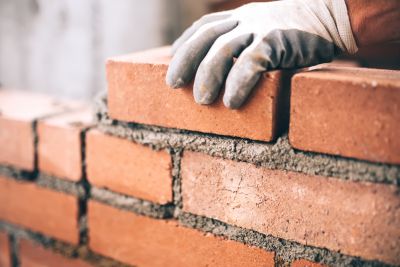
- Brickwork - homeowners may need brickwork installed or repaired for facades, and local contractors use durable bricks suited for various climates.
- Concrete block - when constructing retaining walls or foundations, service providers often recommend concrete blocks for strength and stability.
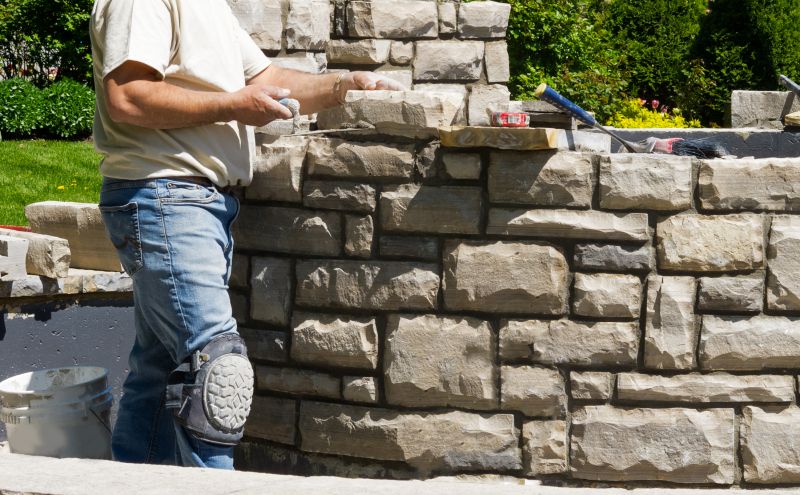
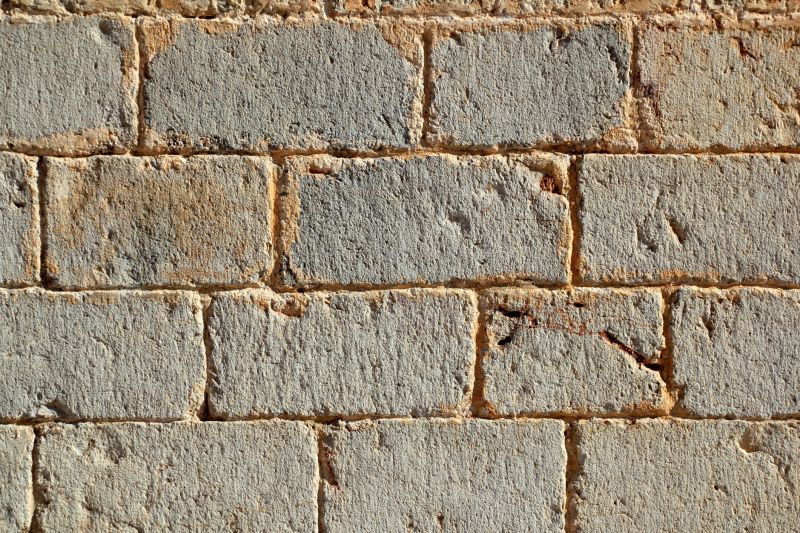
- Natural stone - for aesthetic enhancements or historical restorations, local pros select natural stone materials that match existing structures.
- Brick veneer - upgrading exterior walls with brick veneer requires skilled installation, which local masonry specialists can provide efficiently.
- Stucco and mortar - when finishing or repairing masonry surfaces, service providers utilize appropriate stucco and mortar mixes for long-lasting results.
When searching for information on common materials used in masonry installation projects, homeowners are often trying to understand what types of substances are involved in constructing durable and visually appealing structures. This topic is relevant to a variety of plans, including building or repairing features like retaining walls, patios, walkways, chimneys, or decorative facades. Understanding the materials involved helps homeowners make informed decisions about the longevity, appearance, and maintenance of their projects. It also clarifies what to expect when working with local contractors, as each material type has specific installation techniques and characteristics that can influence the overall outcome.
The materials used in masonry installation projects are closely tied to the properties homeowners wish to achieve in their structures. For example, some materials are chosen for their strength and durability, making them ideal for load-bearing walls or foundations. Others are selected for aesthetic qualities, such as color, texture, or pattern, which contribute to the visual appeal of a property. Common materials like brick, concrete blocks, natural stone, and manufactured stone veneer are frequently encountered because they offer a balance of strength, versatility, and appearance. Recognizing these materials helps homeowners better understand the scope of work and what a local mason or contractor will bring to the project.
Many property types feature masonry elements that require different materials based on their function and design. Residential homes often incorporate brick or stone for facades, chimneys, or outdoor fireplaces, adding character and durability. Commercial properties may rely on concrete blocks for structural walls or retaining walls that support landscaping and prevent erosion. Additionally, properties with historical or decorative features might use natural stone for accent walls or pathways. Knowing the common materials used in masonry installation projects allows homeowners to discuss options with local service providers, ensuring that the chosen materials align with the property's style, purpose, and structural needs.
Understanding the common materials used in masonry installation projects provides valuable insight into how local contractors approach these jobs. Each material has specific installation requirements and characteristics that influence the project's complexity and durability. For example, brick and natural stone require careful preparation and precise placement, while concrete blocks might be quicker to install but still demand proper reinforcement. Homeowners can benefit from knowing these details when comparing local pros, as it helps ensure they select a contractor with the right experience and expertise for their chosen materials. This knowledge supports making informed decisions and achieving results that meet both aesthetic and functional expectations.
Bricklaying projects - Skills in handling bricks, mortar, and related tools are essential for both masonry installation and bricklaying tasks, making local contractors experienced in these areas valuable resources.
Stone veneer installation - Applying stone veneers requires knowledge of similar materials and techniques used in masonry, enabling service providers to deliver durable and attractive finishes.
Concrete block construction - Building with concrete blocks involves similar planning, mixing, and setting processes as masonry projects, which local pros can expertly manage.
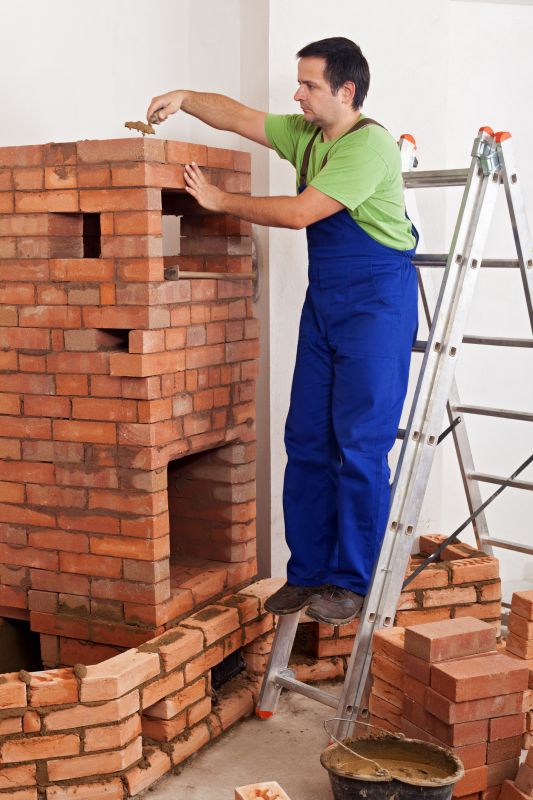
Fireplace and chimney building - These projects demand proficiency with masonry materials like bricks and mortar, aligning closely with the skills used in general masonry installation.
Retaining wall construction - Constructing retaining walls involves working with similar materials and planning considerations as masonry projects, with local contractors ready to assist.
Paving and walkway installation - Laying pavers and setting stones require knowledge of materials and techniques used in masonry, making these projects related in skill and planning.
When comparing masonry installation services, it’s important to consider the experience of local contractors with similar projects. Homeowners should inquire about the types of materials the service providers have worked with and whether they have a history of completing projects involving common materials used in masonry installation projects. A contractor’s familiarity with materials such as brick, concrete blocks, natural stone, or veneer can provide insight into their expertise and ability to handle the specific requirements of the job. Additionally, verifying references or viewing portfolios of previous work can help gauge the quality and consistency of the contractor’s craftsmanship on projects similar in scope and material.
Clear written expectations are essential when evaluating local service providers. Homeowners should seek detailed descriptions of the scope of work, including the types of materials that will be used, the preparation process, and the finishing techniques. Having a comprehensive understanding of what the project entails helps prevent misunderstandings and ensures that the selected contractor is aligned with the homeowner’s goals. Good communication from the outset can also facilitate discussions about material choices, installation methods, and any potential challenges related to the common materials involved in masonry projects.
Reputable references and positive reviews are valuable indicators of a reliable masonry contractor. Homeowners should look for service providers who can provide references from past clients, especially those who have completed projects with similar materials. Listening to feedback about the contractor’s professionalism, punctuality, and ability to communicate effectively can help determine if they are a good match for the project. Strong communication skills are vital throughout the process, as they enable homeowners to stay informed about material options, project progress, and any adjustments needed. Choosing a local contractor known for transparency and responsiveness can contribute significantly to a smooth and successful masonry installation experience.
Property owners often search for common materials used in masonry installation projects when they are planning practical projects around their homes and businesses. Local pros provide Masonry Installation services for everyday jobs and straightforward project options.
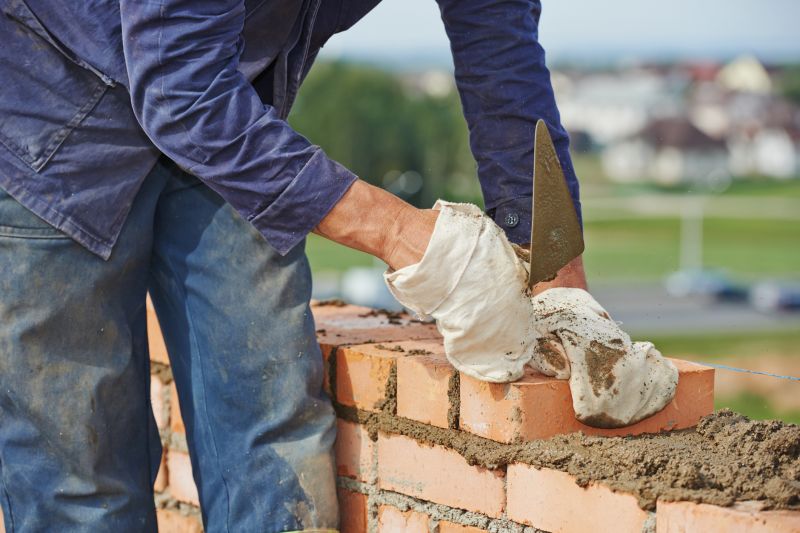
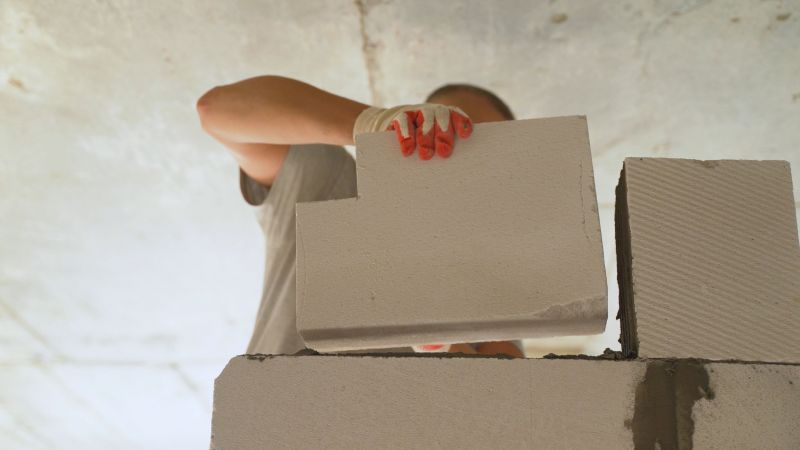
When undertaking masonry installation projects around the property, understanding the common materials used can help property owners make informed decisions and better communicate their needs to local contractors. Materials like brick, concrete blocks, natural stone, and mortar are frequently chosen for their durability and aesthetic appeal, making them popular choices for building walls, walkways, and decorative features. Property owners often look up this information to ensure they select the right materials for their specific project, whether it’s a small repair or a larger construction job, and to understand what local service providers typically work with.
Knowing the typical materials involved in masonry projects can also help property owners evaluate proposals from local contractors and ensure they are getting quality work. Local pros experienced in masonry installation are familiar with these common materials and can advise on the best options based on the project’s scope, location, and desired outcome. Whether installing a new patio or repairing a historic wall, property owners seeking reliable masonry services can benefit from connecting with local service providers who have experience working with these everyday materials.
What are the common materials used in masonry installation projects? Typical materials include bricks, concrete blocks, natural stone, and mortar, which are essential for constructing durable and stable structures.
Why is mortar important in masonry projects? Mortar acts as a binding agent that holds masonry units like bricks and stones together, providing strength and stability to the finished structure.
Can natural stone be used in all masonry installation projects? Natural stone is versatile and often used for aesthetic appeal and durability, but its suitability depends on the specific project requirements and site conditions.
Are concrete blocks a common choice for masonry work? Yes, concrete blocks are widely used due to their strength, affordability, and ease of installation in various masonry projects.
What other materials might local contractors use in masonry installations? Depending on the project, materials such as veneer stone, brick veneer, or specialized mortars might be used to achieve desired aesthetics and performance.
Brick masonry materials - Brick is a versatile choice for building walls and facades, and local contractors can help select the right type for durability and style in your project.
Concrete block options - Concrete blocks provide strength and insulation for foundations or retaining walls, with local pros ensuring proper installation for long-lasting results.
Natural stone applications - Natural stones add aesthetic appeal to patios and landscaping features, and experienced service providers can assist with proper placement and sealing.
Mortar and grout supplies - Mortar and grout are essential for binding masonry units together, with local contractors ensuring the correct mix and application for stability and appearance.
If you are thinking about common materials used in masonry installation projects for a property, this guide is meant to help you understand this topic, the typical project types, and how different options might fit your plans.
When you are ready, you can use the quote form on this page to share a few details about your project. From there, local pros can review the basics and follow up with options that match what you have in mind.